Your Old Phone Can't Handle Live Dealer? Let's Test That
Your Old Phone Can't Handle Live Dealer? Let's Test That You see the dealer shuffle and deal in real time on your screen. It's compelling. And right before you tap to join, a question surfaces: does m...
Your Old Phone Can't Handle Live Dealer? Let's Test That
You see the dealer shuffle and deal in real time on your screen. It's compelling. And right before you tap to join, a question surfaces: does my phone actually handle this?
The answer is probably yes — but most players don't know why, and a few genuine misconceptions keep people from signing up when their hardware would do just fine. Let me walk through what live dealer actually needs from your device, in plain terms.
Most players think joining a live dealer table is similar to loading a casino slot client — log in, the game starts, your phone handles it. That's not wrong, but it undersells how different live streaming is from a slot session. The technical demands are meaningfully higher, and knowing what's actually happening helps you separate realistic concerns from the myths that don't matter.
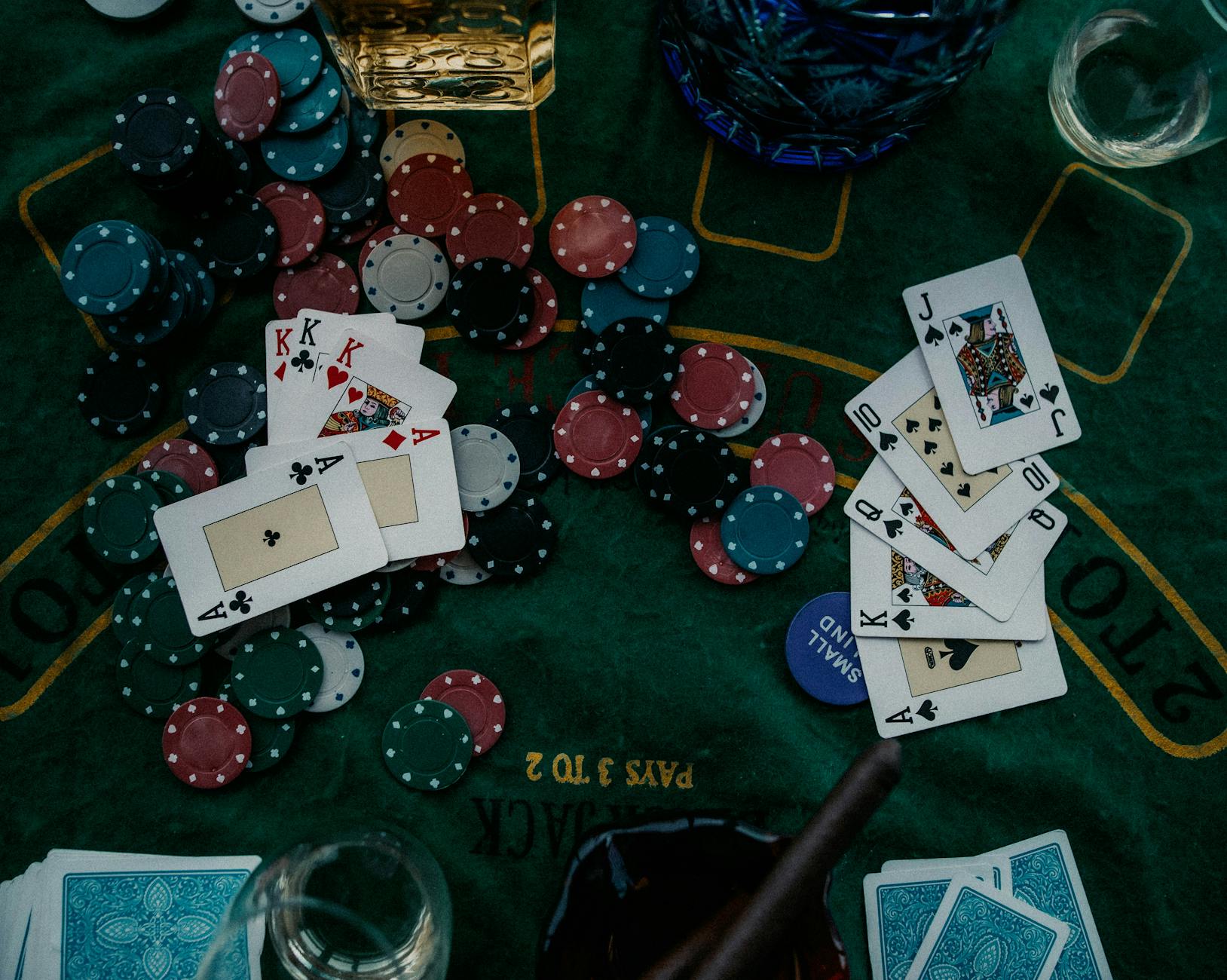
Photo by Gera Cejas on Pexels
What Live Dealer Actually Needs to Run
During a dealer session, your device is running four parallel processes simultaneously: receiving the dealer cam feed, receiving the table cam feed, sending bet inputs to the server in real time, and rendering UI overlays like road displays and your account balance. The first two are the bandwidth-heavy ones. A slot session exchanges small data packets — bet sent, outcome returned, animation rendered locally. A live dealer session is sustained video streaming, and that changes what your device and connection have to handle.
For standard definition, roughly 1 Mbps of sustained throughput is the floor. Most home Wi-Fi handles this without issue. Mobile data depends on signal strength. For HD streams — which is where most premium tables sit — you'll want around 2 Mbps minimum sustained. Below that threshold, the stream keeps running but quality drops noticeably.

Photo by Caleb Oquendo on Pexels
Your Phone Is More Capable Than You Think
MBA66 supports both iOS and Android. Slot brands such as Mega888, 918Kiss, and Pussy888 offer APK downloads and mobile access, and fruit machine games from JILI, Nextspin, Fa Chai, and Spade Gaming all run smoothly on mobile. The live dealer casino requires no download, with the mobile interface mirroring the desktop version.
The more relevant question than operating system is device generation. A modern mid-range phone — anything from the last three to four years — handles HD live dealer streams comfortably. Most iPhone models from the last few generations, and Android phones in the mid-range and above from brands like Samsung, Xiaomi, and Oppo, decode live video streams without issues. The APK itself is lightweight. Most players download a compact installer that handles smoothly without eating into your storage.
Older phones — four-plus years old — can still run the APK, but the live streaming experience becomes inconsistent. The device might technically meet the minimum requirements yet struggle with sustained HD video decoding. The processor and RAM constraints are real even when your internet connection is fine.
The table cam stays live throughout the session and shows the dealer's physical actions — card draws, wheel spins. The road display overlay renders separately and can occasionally lag when data connection dips. If you're using road display analysis to guide bet inputs, a consistent 2 Mbps connection matters more than having the table cam at peak clarity.

Photo by Pavel Danilyuk on Pexels
Data Usage Is the Real Conversation
If you've been hesitating about live dealer because you're worried about burning through your mobile data plan, that's a fair concern — and one worth addressing directly. Live streaming is genuinely data-heavy. An SD-quality live dealer session runs through roughly 150 MB per 45 minutes. HD quality pushes that higher. If you're running road displays and switching between tables, data consumption climbs further.
This isn't a reason to skip live dealer. It's a reason to plan for it. Wi-Fi works reliably for home sessions. If you're playing on mobile data regularly, a plan with generous or unlimited data removes the variable from the equation entirely. Most players who run live dealer on mobile data without tracking usage get caught off guard by the bill at the end of the month — that's avoidable.
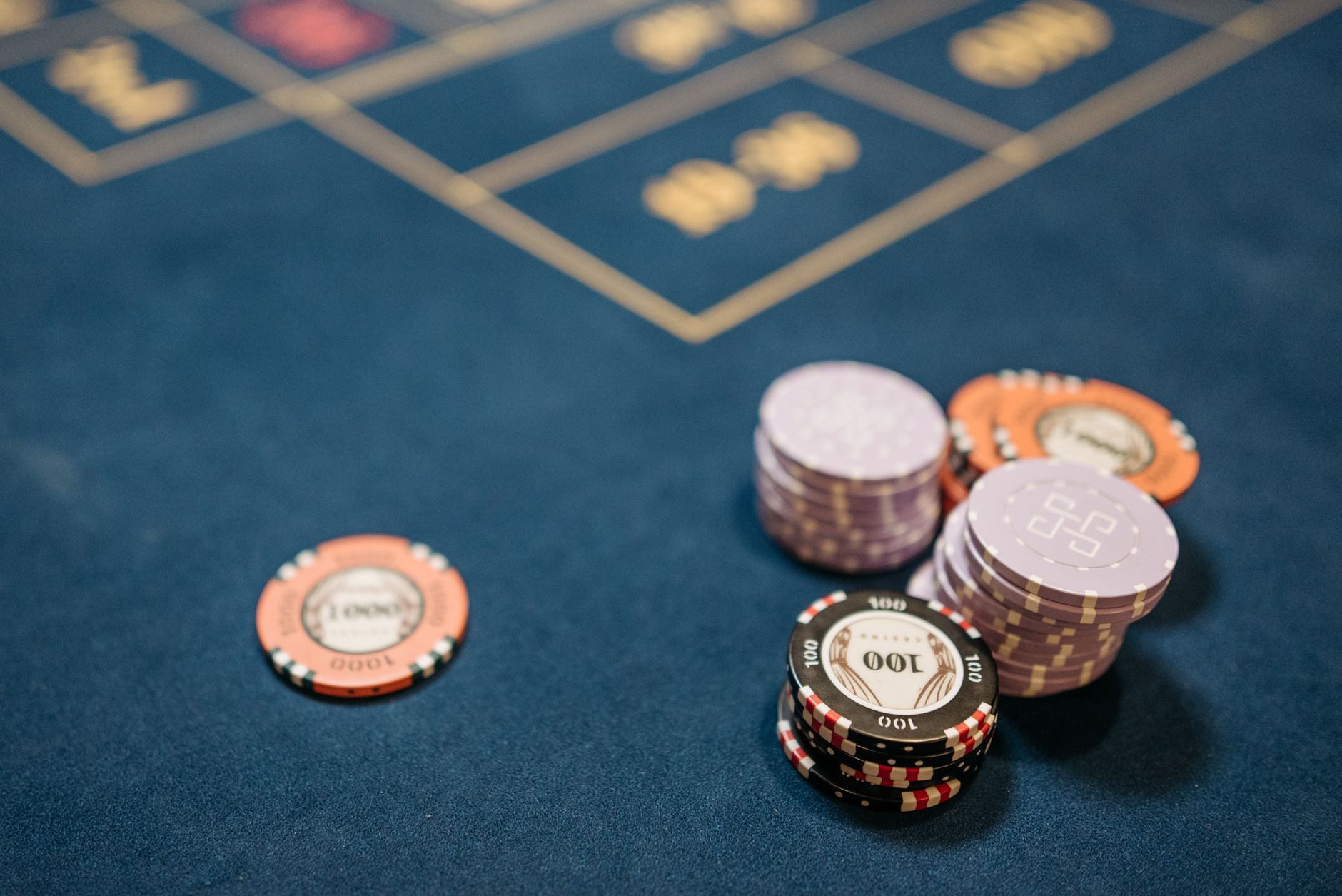
Photo by Pavel Danilyuk on Pexels
The Real Specs to Check Before You Join
If you want a quick checklist before your first live dealer session: confirm your internet speed, check your data balance, make sure background apps are closed, and restart your phone if it's been on for days. These aren't special requirements — they're the same steps you'd take before any high-bandwidth activity. The APK itself is small. The live dealer experience on MBA66 is built to degrade gracefully if your connection dips, so you'll see quality step down before the session drops entirely.
The myth that you need an expensive flagship phone to run live dealer is outdated. A well-maintained mid-range device with decent Wi-Fi or strong mobile signal handles the job. Your phone is probably ready — the only thing holding you back is a misconception.
Common Questions
Does my phone need to be top-spec to run live dealer?
No. A modern mid-range phone from the last few years handles HD live dealer streams fine. The key factors are a stable connection — 2 Mbps for HD — and having enough RAM free when you start the session.
How much data does a live dealer session use?
Roughly 150 MB for 45 minutes at standard definition. HD pushes that higher, especially if you're running road displays and switching tables. Plan accordingly on mobile data.
Is Wi-Fi better than mobile data for live dealer?
Wi-Fi is more reliable for sustained sessions because it avoids signal fluctuation. Mobile data works fine if you have strong signal and a generous data plan. A stable connection matters more than whether it's Wi-Fi or mobile.
MBA66 operates under Isle of Man and Kahnawake, Canada gaming permits, and all game outcomes use certified Random Number Generator technology. Deposits and withdrawals are handled through online banking with transaction records maintained for dispute resolution. Support is available 24/7 via live chat and email in multiple languages including Chinese and English.

Photo by Anna Shvets on Pexels

Photo by Pavel Danilyuk on Pexels
Report complete.
MBA66 · Analytical Archive